Crete rewards drivers more than almost any Greek island: the best beaches, gorges and villages are well beyond the bus network. A rental car is the single best thing you can do for your trip.
Why you need a car
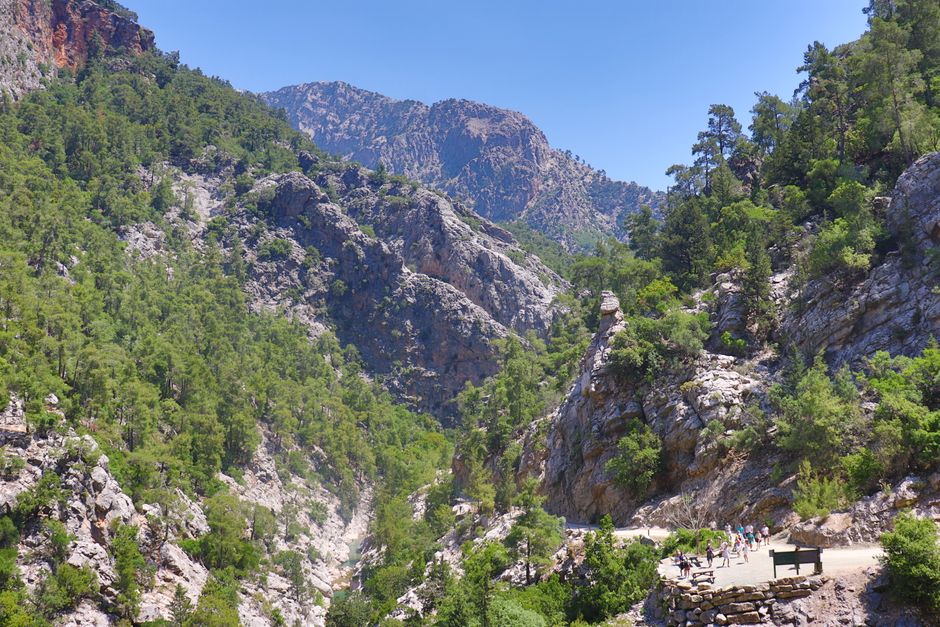
Buses (KTEL) link the north-coast towns reliably, but Balos, Elafonisi, the gorge trailheads, the south coast and mountain villages are difficult or impossible without your own wheels.
Costs and what to check
- Daily rates are lowest in spring and autumn and highest in August. Book early for peak weeks.
- Confirm whether the quote includes full insurance (CDW) with low or zero excess.
- Check the fuel policy (full-to-full is fairest) and whether young-driver or airport fees apply.
- Most agencies offer free delivery to Heraklion and Chania airports and ports.
Driving in Crete
- The north-coast national road is fast and easy; the slow lane is used to let faster cars pass.
- Mountain and south-coast roads are narrow and winding — allow more time and drive in daylight.
- Fuel up before heading into the mountains; stations are sparse inland.
Where to book
Compare verified local agencies with transparent pricing on the rent-a-car marketplace. Local operators are often cheaper and more flexible than the big international chains, with cash- and debit-friendly policies.
Frequently Asked Questions
Do I need a car in Crete?
For most visitors, yes. The island is large and its best beaches and villages are far from bus routes. A rental car gives you the freedom to reach them.
How much does car rental cost in Crete?
Rates vary by season — cheapest in spring and autumn, most expensive in August. Book early for peak weeks and always confirm that full insurance is included.
Plan with us: browse Crete region guides, compare ferries to Crete, reserve a car with a local Crete agency, or ask our AI trip planner for a custom Crete itinerary.