
Crete tours
History in Crete.
Photo: Alari Tammsalu / Pexels
30 experiences
Descriptions are ours. Prices and reviews stay on GetYourGuide.
Chania
- History
Akrotiri monasteries from Chania
Chania3–4 hours
Agia Triada and Gouverneto sit on the Akrotiri peninsula east of Chania. The visit is courtyards, a short walk between them, and the cave chapel path beyond Gouverneto if you want the extra steps. It is a quiet morning rather than a hike, and it pairs badly with a late boat because the peninsula road is slow when the beaches fill. The usual length is 3–4 hours, and the months that usually work are Year round, mornings are cooler. It suits people who want a close-in historical stop and can dress for a working monastery. Skip it if the group wanted a swim and will resent the detour. Drive the Akrotiri road from Chania. The monasteries are signed. Shoulders and knees should be covered, and midday in August is hot in the courtyards.
See prices on GetYourGuide
View detailsBook now on GetYourGuide - History
Ancient Aptera above Souda
Chania2–3 hours
Aptera is a large archaeological site on the hill above Souda Bay, east of Chania, with walls, cisterns and a view of the bay. The visit is an open hillside, about an hour if you walk it properly. There is little shade. It is an easy half-morning from Chania and a bad rush at the end of a boat day. The Turkish fort at the bay below is a separate stop if you still have attention. The site is the space, not a single temple facade. The usual length is 2–3 hours, and the months that usually work are Year round. It suits a short historical morning. Skip it in the heat of an August afternoon, and skip it if the group wanted a swim. Souda is a bay, not a beach day. Drive from Chania toward Souda and follow the Aptera signs uphill. Parking is at the entrance.
See prices on GetYourGuide
View detailsBook now on GetYourGuide
Kissamos
 History
Ancient Polyrrinia above Kissamos
Kissamos3–4 hours
Polyrrinia is a hillside ancient town above Kissamos, with scattered walls, a later church, and a view toward the gulf. The visit is a walk up, not a reconstructed palace. Shade is poor and the path is rough in places. It is the right scale for a morning when the Balos boat has cancelled, and the wrong add-on if you are already committed to the lagoon. The village of Polyrrinia is small. The site is the reason to climb. The usual length is 3–4 hours, and the months that usually work are Year round, mornings in summer. It suits anyone based in Kissamos who wants an hour off the beach. Skip it at noon in August, and skip it if the group cannot manage a hill path. Drive from Kissamos toward the village and park below the church. The walk is short and uphill. Wear shoes with a grip.
See prices on GetYourGuide
View detailsBook now on GetYourGuide
Paleochora
 History
Lissos ancient site from Sougia
Paleochora4–5 hours
Lissos is the small ancient healing site west of Sougia, reached by a coastal path rather than a road. The walk is the visit: mosaic floors, a cove, and the return the same way. It is not staffed like Knossos. You need water, shoes, and a realistic sense of the afternoon heat on an exposed path. The usual length is 4–5 hours, and the months that usually work are April to October. It suits walkers who like a ruin at the end of a path. Skip it with a buggy or in the middle of a gorge day. The two walks do not belong together. Start from Sougia beach and follow the coast path west. There is no bus to the site. Allow the return walk in the time you think the visit will take.
See prices on GetYourGuide
View detailsBook now on GetYourGuide
Sfakia
- History
Frangokastello castle and beach
Sfakia3–5 hours
Frangokastello is the Venetian fort on the south coast east of Chora Sfakion, with a beach in front of the walls. The visit is the castle and a swim, not a hike. Shade is limited. The road from Chania is a mountain crossing, so the fort is a half-day from Sfakia and a full day from the north. It pairs honestly with a Sfakia lunch and badly with Samaria on the same date. The walls are the sight. The beach is the reason you stay. The usual length is 3–5 hours, and the months that usually work are April to October. It suits people already on the south coast. Skip it as a quick add from a gorge exit if everyone is already finished. The swim can wait for a fresh day. Drive the south-coast road from Chora Sfakion. Parking is by the fort.
See prices on GetYourGuide
View detailsBook now on GetYourGuide
Kolymbari
- History
Gonia monastery at Kolymbari
Kolymbari2–3 hours
Gonia is the monastery on the shore at Kolymbari, west of Chania, with a courtyard and a small museum collection. The visit is about an hour. Clothing rules apply. It sits on the coast road, which makes it an easy stop on the way to Kissamos and a poor reason to cross the island. The yard looks over the sea. Pair it with a short coast walk, not with a Balos boat the same morning. The usual length is 2–3 hours, and the months that usually work are Year round. It suits people driving the west coast who will cover shoulders and knees. Skip it if the group wanted a beach and will resent a church. The monastery is on the seaward side of the road in Kolymbari. Parking is nearby. Morning is quieter.
See prices on GetYourGuide
View detailsBook now on GetYourGuide
Rethymno
 History
Arkadi monastery from Rethymno
Rethymno3–5 hours
Arkadi is the monastery in the hills southeast of Rethymno, remembered for the 1866 siege. The building is the visit: courtyard, church, and a small museum. It is not a hike, though the road is inland and cooler than the beach. Combining it with a south-coast gorge makes a rushed day. The monastery deserves an unhurried hour and the drive back. The usual length is 3–5 hours, and the months that usually work are Year round, mornings are quieter. It suits anyone interested in the island’s modern history. Shoulders should be covered. Skip it as a photo stop on the way to Preveli if you will not get out of the car for long. Drive inland from Rethymno, about half an hour, or join a tour that is honest about the return time. The site is signed from the town.
See prices on GetYourGuide
View detailsBook now on GetYourGuide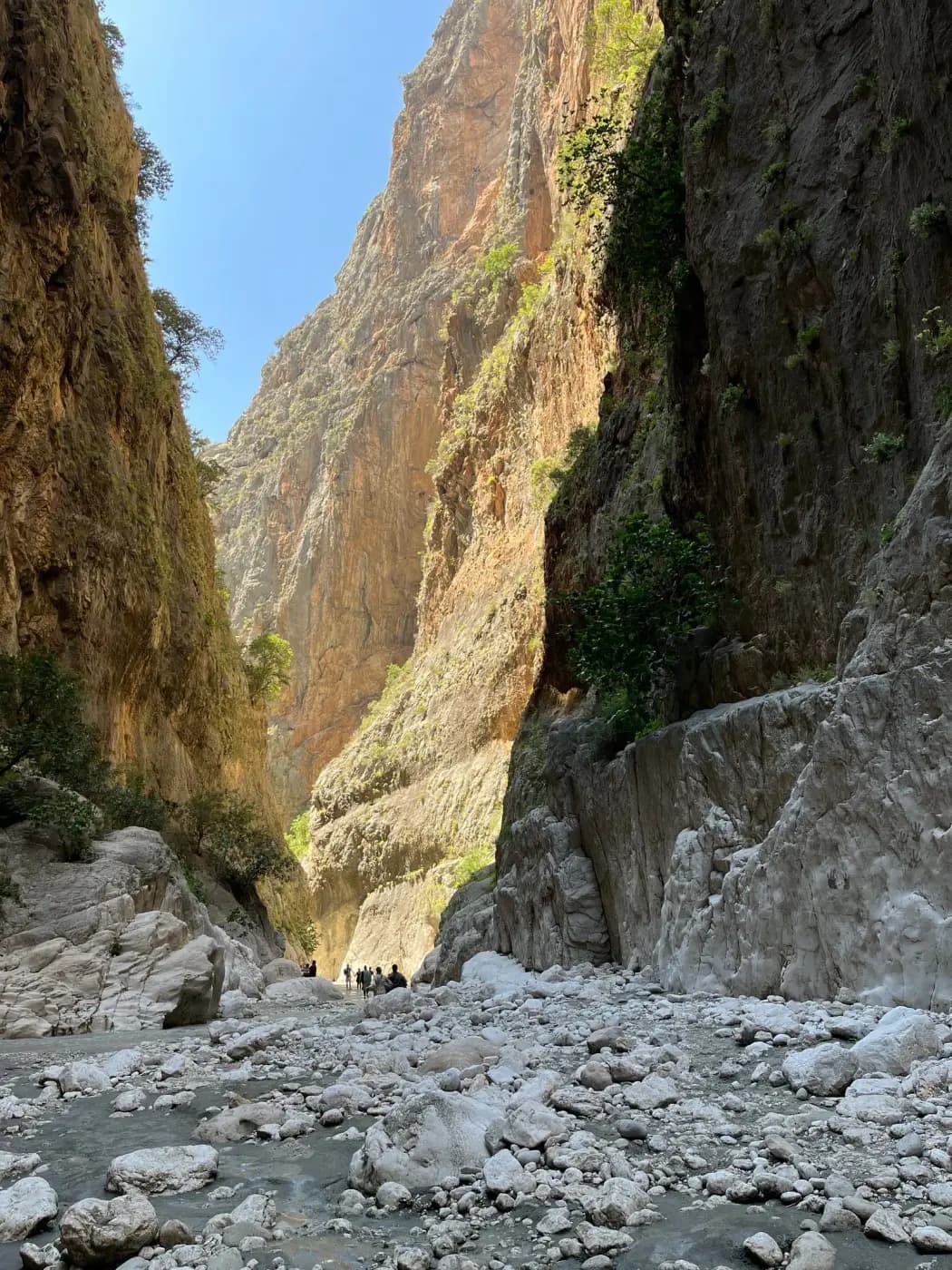 History
Melidoni cave from Rethymno
Rethymno3–4 hours
Melidoni cave is inland of Rethymno, a chambered cavern with a grim 1824 history and a short walk from the ticket point. It is not a gorge and not a show-cave marathon. You need shoes that grip, and you do not need hiking fitness. The road is the larger part if you are coming from the far west or from Heraklion. The usual length is 3–4 hours, and the months that usually work are April to October. It suits a quiet inland hour. Skip it if anyone dislikes enclosed spaces. The cave is the product, and waiting outside misses it. Drive east from Rethymno toward the village of Melidoni. Tours from the town include the transfer. Ask about steps before you take a buggy.
See prices on GetYourGuide
View detailsBook now on GetYourGuide- History
Sfendoni cave visit
Rethymno3–4 hours
Sfendoni, near Zoniana, is the decorated cave of the Rethymno hills, with a guided circuit rather than a wild walk-in. The visit itself is short. The reason to go is the formations and the cool air, which matters in July. It pairs with a village coffee. It does not pair well with a full gorge the same morning. The usual length is 3–4 hours, and the months that usually work are April to October. It suits families who can manage a guided underground walk and anyone escaping the beach at noon. Skip it if you wanted open country. This is a cave with a path and a guide. Zoniana is inland, roughly three quarters of an hour from Rethymno by car. The cave is signed. Tours should say whether the guide inside is included.
See prices on GetYourGuide
View detailsBook now on GetYourGuide 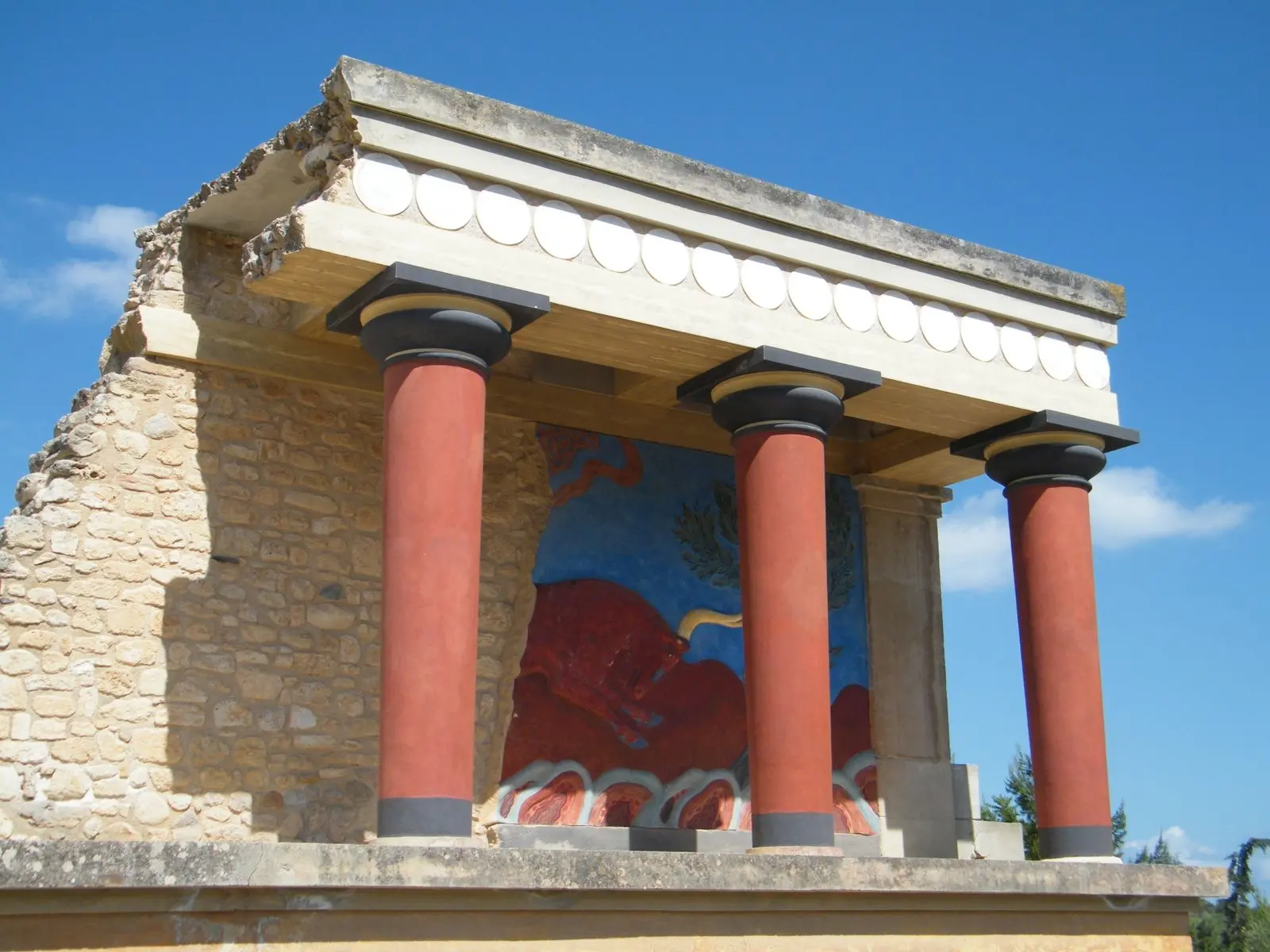 History
Ancient Eleutherna
Rethymno3–4 hours
Eleutherna is the ancient city and museum in the hills east of Rethymno, a quieter archaeological stop than Knossos. The site is spread over a hillside. The museum holds finds that make the stones legible. You can see it without a guide and you will understand more with one. It is not a palace with red columns, and it should not be rushed as a photo of a single mosaic. The usual length is 3–4 hours, and the months that usually work are Year round. It suits people who liked the idea of Knossos and want somewhere less crowded. Skip it with small children who will not walk a hillside, or as a ten-minute add-on to a beach. The site is inland, under an hour from Rethymno and also reachable from Heraklion. The museum and the archaeological area are both part of a proper visit.
See prices on GetYourGuide
View detailsBook now on GetYourGuide
Heraklion
 History
Guided visit to Knossos
Heraklion3–4 hours
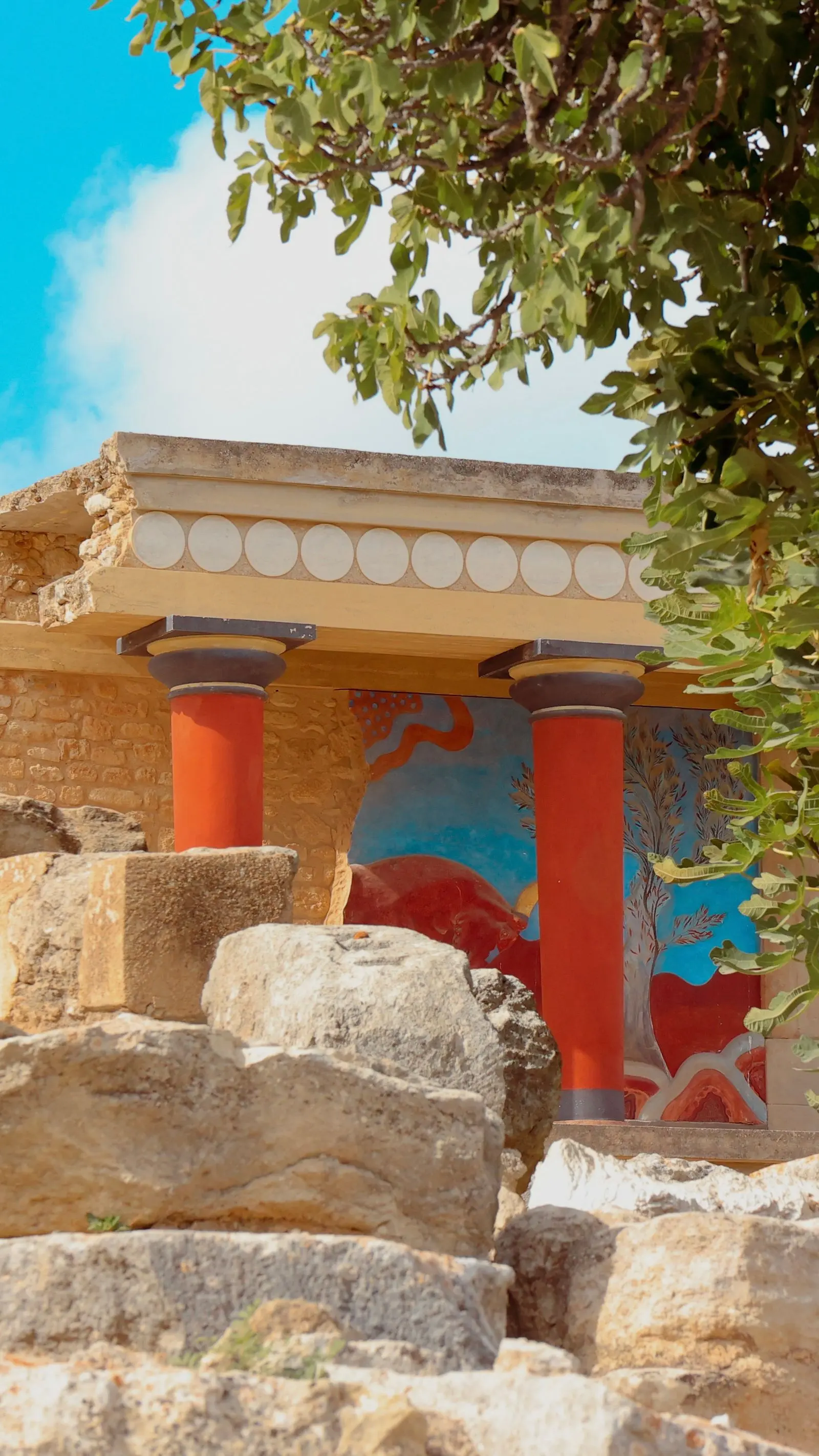
Knossos is the Minoan palace south of Heraklion, partly reconstructed, always busy, and hard to read without a guide. The site is compact. The confusion is the mix of ancient stone and twentieth-century concrete. A guided visit of a couple of hours, early, is the version that still feels like a place rather than a queue. Midday in August is a car park with ruins attached. The usual length is 3–4 hours, and the months that usually work are Year round, go early in summer. It suits first-time visitors who want the story. Skip the audio-free wander if you will only photograph the red columns and leave. Those columns are the reconstruction. The guide is how you know that. The palace is a short drive or bus from Heraklion centre. Arrive at opening if you can. There is little shade once you are inside the site.
See prices on GetYourGuide
View detailsBook now on GetYourGuide- History
Knossos and the Heraklion museum
Heraklion5–7 hours
The palace and the archaeological museum are the two halves of the same visit. Frescoes you see copies of at Knossos are explained properly in the museum in town. Doing both in one day works if you start early and eat between them. Doing both in a rush after a beach is how people remember only the ticket queue. The museum is indoors, which makes it the right half for the hot part of the day. The usual length is 5–7 hours, and the months that usually work are Year round. It suits anyone who wants the Minoan story once, properly. Skip the museum if you will not look at objects. The palace alone is the outdoor half and a shorter day. See the palace first, then return to the museum near Eleftherias square in Heraklion. Buses and taxis link the site and the centre all day.
See prices on GetYourGuide
View detailsBook now on GetYourGuide 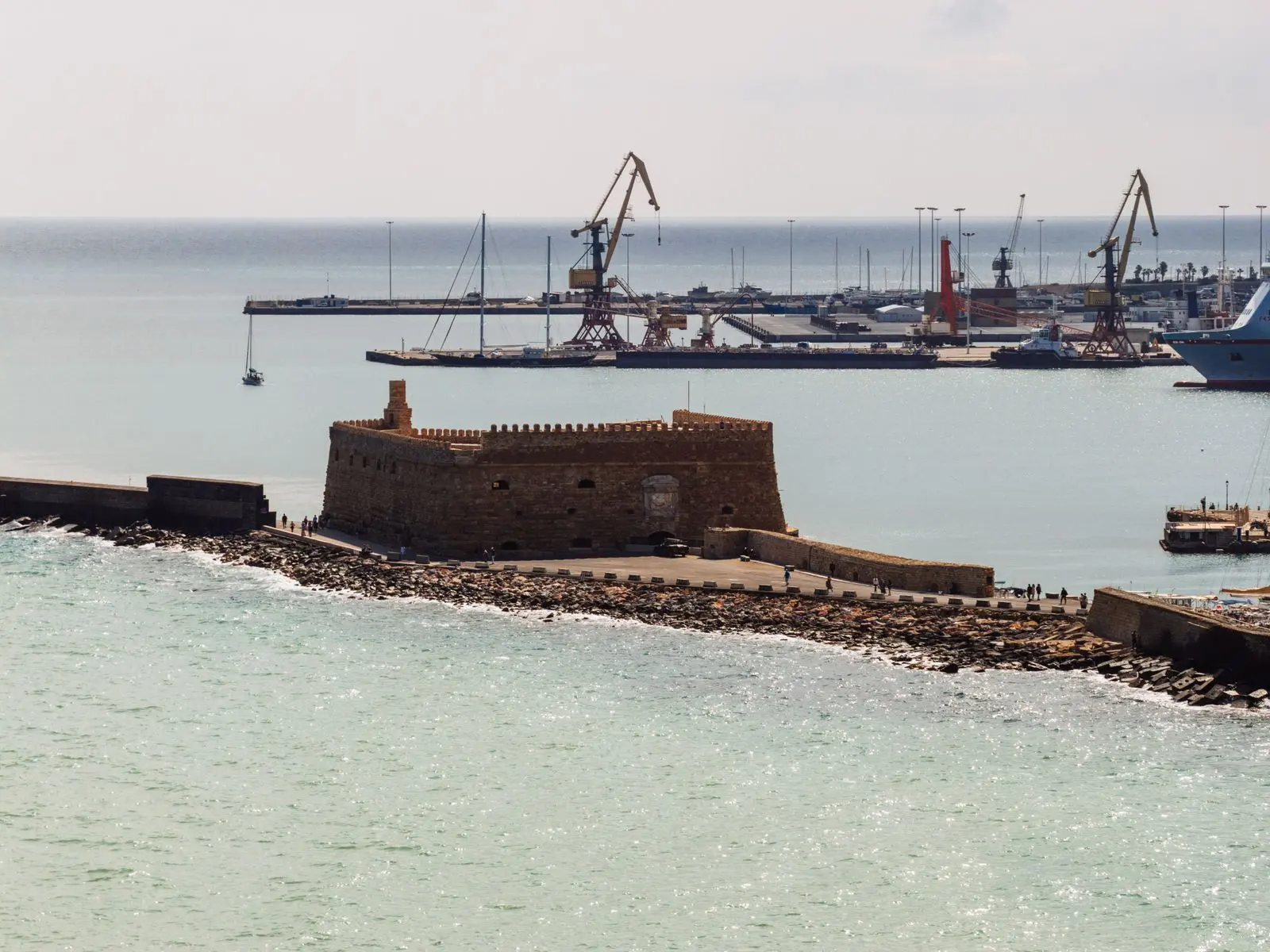 History
Koules fortress at Heraklion harbour
Heraklion1–2 hours
Koules is the Venetian fort on the Heraklion mole. The visit is the ramparts, the views back to the city and out to Dia, and a short circuit inside. It is not a half-day site. It is the right hour when you have finished the museum or you are early for a boat. Wind on the mole is stronger than in the streets behind it. The usual length is 1–2 hours, and the months that usually work are Year round. It suits a short stop and children who will climb a wall. It is not a substitute for Knossos. Do not let a tour spend the morning here and rush the palace. The fort is on the harbour, walkable from the centre. Combine it with the market street rather than with a south-coast beach.
See prices on GetYourGuide
View detailsBook now on GetYourGuide
Hersonissos
- History
Knossos from Hersonissos
Hersonissos4–5 hours
Hersonissos is close enough to Knossos that the palace is a morning, not an expedition. You ride in, walk the site, and can be back for a late lunch. The mistake is adding the museum, a village and a wine cellar and calling it a half-day. From this coast the palace is the easy ancient stop. Treat it as that, and go early before the coaches from the hotels fill the path. The usual length is 4–5 hours, and the months that usually work are Year round. It suits resort guests who want one proper visit. It is a poor plan at noon in August with children who will not wear hats. The site is exposed. Taxis and tours leave Hersonissos and the neighbouring hill villages for Knossos in well under an hour. Ask to be collected at opening time, not after breakfast has drifted.
See prices on GetYourGuide
View detailsBook now on GetYourGuide
Malia
- History
Knossos from Malia
Malia4–6 hours
From Malia the palace at Knossos is a straightforward morning by road, closer than guests expect and still a full visit once you are there. The Malia palace, a smaller Minoan site, is a different place near the resort and should not be confused with Knossos. If you only do one, Knossos is the one people mean. If you do both, give them separate halves of the day. The usual length is 4–6 hours, and the months that usually work are Year round. It suits people staying in Malia or Stalis. Skip it as a late-afternoon add-on. The site does not improve when you are tired and the light is flat. The coast road runs west from Malia toward Heraklion and then inland to Knossos. A tour should say whether it includes the Heraklion museum or only the palace.
See prices on GetYourGuide
View detailsBook now on GetYourGuide - History
Malia Minoan palace
Malia2–3 hours
The Minoan palace at Malia is east of the resort, a lower, quieter site than Knossos, without the heavy reconstruction. You can walk it in a short visit. It helps to have seen Knossos first, or to have a guide, because the stones are less theatrical. The beach is a separate afternoon. The palace is the reason to stay out of the sun at noon, not a backdrop for it. The usual length is 2–3 hours, and the months that usually work are Year round, mornings. It suits people who liked Knossos and want the quieter sibling, and anyone staying in Malia who has not left the strip. Skip it if you will not read a single panel. There is less spectacle to lean on. The site is a short drive or taxi from Malia resort, toward the east. Go at opening. There is little shade.
See prices on GetYourGuide
View detailsBook now on GetYourGuide
Matala
 History
Phaistos and Matala
Matala5–7 hours
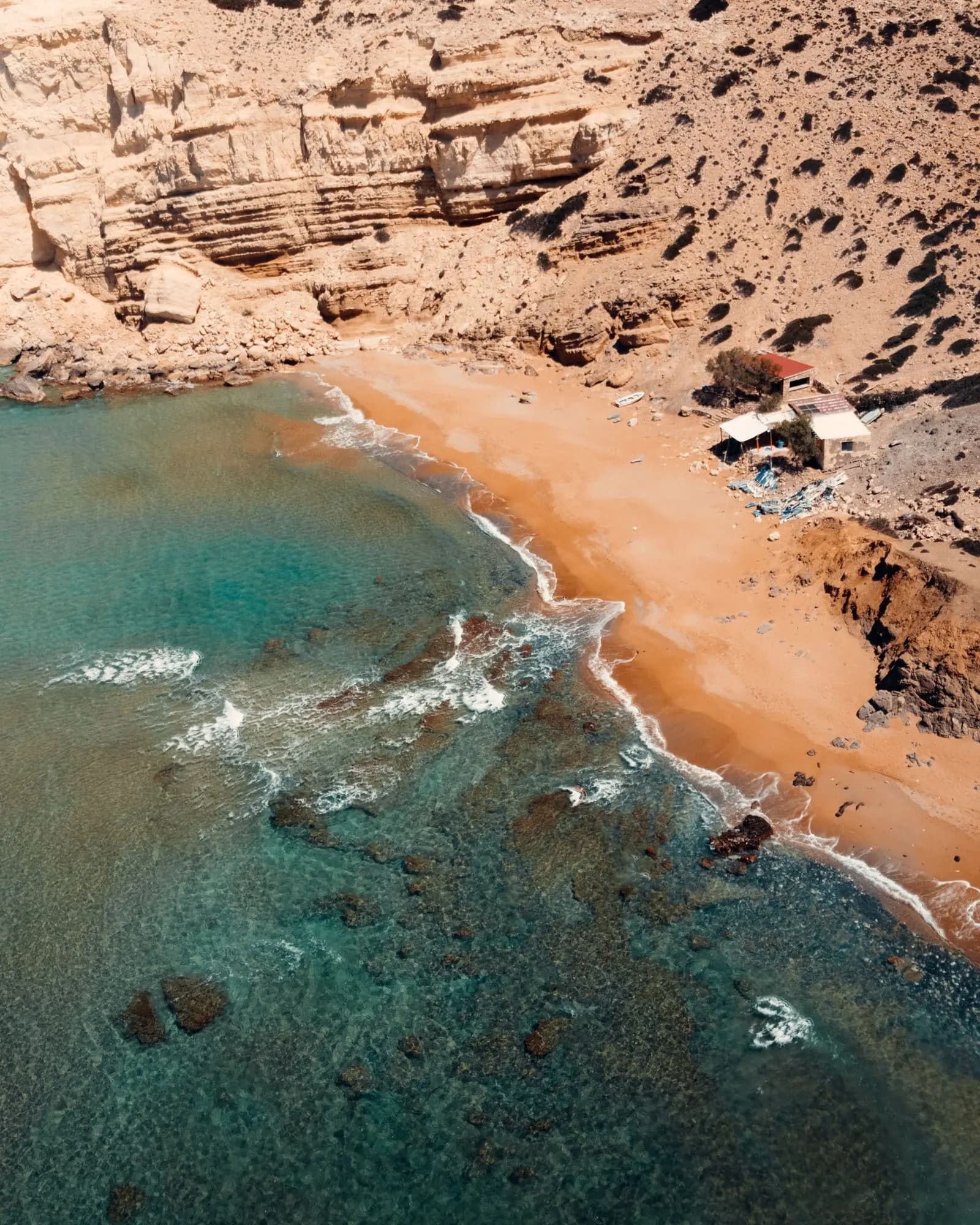
Phaistos is the Minoan palace on a hill above the Messara plain, quieter than Knossos and barely reconstructed. Matala’s beach is the swim afterwards. Together they are a coherent south day from Heraklion: stones in the morning, sand in the afternoon. Reversing that order means you tour a palace in the heat and swim in a windier evening. Gortyna, with its law code and basilica, can replace one of them. It should not join both unless you enjoy being late. The usual length is 5–7 hours, and the months that usually work are Year round, the beach is seasonal. It suits people who have seen Knossos or who prefer a site without the crowds. The palace has less shade and less signage. A guide earns the visit. Phaistos is inland of Matala, a short drive. Tours from Heraklion cross the plain. Start with the archaeology.
See prices on GetYourGuide
View detailsBook now on GetYourGuide- History
Gortyna archaeological site
Matala2–3 hours
Gortyna, in the Messara, is the later ancient city: the stone law code, a basilica, and olive trees, not a Minoan palace. The visit is shorter than Knossos and easier to enjoy without a crowd. It sits naturally between Heraklion and the south coast. On its own it is a satisfying hour. As a third site after Phaistos and Matala it becomes a blur. The usual length is 2–3 hours, and the months that usually work are Year round. It suits travellers who like ruins and inscriptions. Skip it with small children who have already walked a palace. Give them the beach instead. The site is beside the road across the Messara, signed between Heraklion and Matala or Agia Galini. There is some shade. Midday is still hot.
See prices on GetYourGuide
View detailsBook now on GetYourGuide
Agios Nikolaos
- History
Ancient Lato above the gulf
Agios Nikolaos3–4 hours
Lato is a Dorian hill town above the gulf, west of Agios Nikolaos, with a theatre, a stepped street and a view back toward Mirabello. The visit is an hour on uneven stone in the open. There is little shade and no café on the site. It is not Knossos and it does not have reconstructed columns. The road up is short from the coast and the site rewards people who read the panel before they climb. The usual length is 3–4 hours, and the months that usually work are Year round, mornings in summer. It suits anyone who wants a ruin without a full-day coach. Skip it in the middle of an August afternoon, and skip it if the group cannot manage loose stone. Drive or join a short trip from Agios Nikolaos toward Kritsa. The site is signed off the road before the village.
See prices on GetYourGuide
View detailsBook now on GetYourGuide - History
Kritsa village and Panagia Kera
Agios Nikolaos3–4 hours
Kritsa is the large village in the hills behind Agios Nikolaos. The reason to stop, beyond the lanes, is the church of Panagia Kera on the road below the village, with layered Byzantine frescoes. The church is small. Shoulders and knees should be covered, and photography rules inside change. The village itself is a walk and a coffee, not a hike. Market stalls on the main street are not the frescoes. The usual length is 3–4 hours, and the months that usually work are Year round. It suits a half-day that can include Lato or stand alone. Skip it if the group will not cover up for a church, or if you needed a beach. The church is on the road from Agios Nikolaos before you enter Kritsa. The village parking is above. Do the church first, then the lanes, or the timing gets away from you.
See prices on GetYourGuide
View detailsBook now on GetYourGuide - History
Minoan town of Gournia
Agios Nikolaos3–4 hours
Gournia is a Minoan town on the gulf road between Agios Nikolaos and Ierapetra, small enough to see as streets and rooms rather than a palace facade. The site sits on a low hill beside the highway. Shade is poor and the panels do more work than any reconstruction. It is a quiet contrast with Knossos. You can pair it with a swim at a gulf beach only if you keep the visit short. The usual length is 3–4 hours, and the months that usually work are Year round, the site is exposed. It suits people who like ruins at a human scale. Skip it as a photo stop from a moving coach. The interest is walking the lanes, which takes the better part of an hour. The site is signed on the coast road south of Agios Nikolaos. Parking is beside the entrance.
See prices on GetYourGuide
View detailsBook now on GetYourGuide
Elounda
 History
Ancient Olous at low water
Elounda2–3 hours
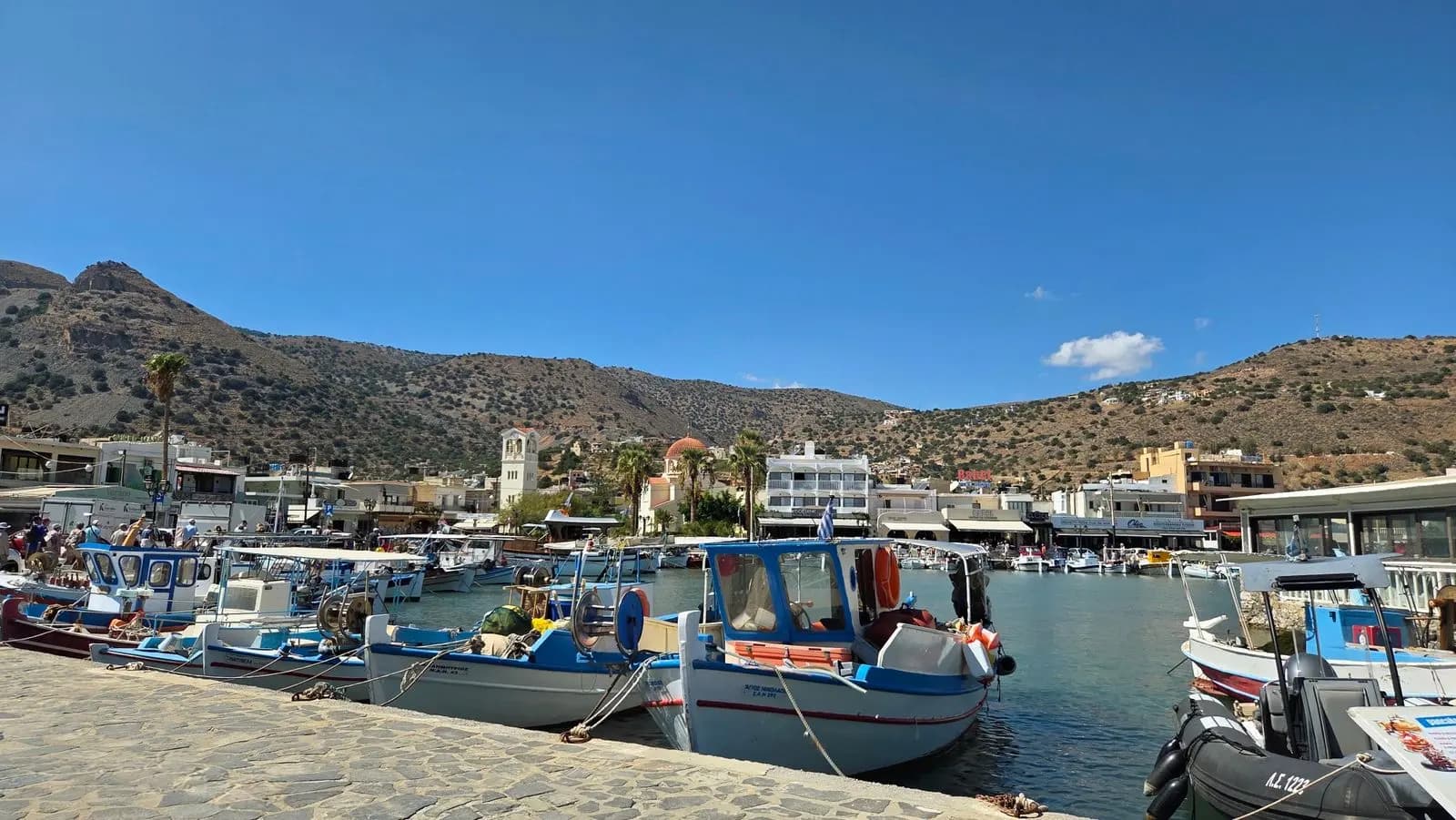
Olous is the sunken ancient city between Elounda and the Spinalonga peninsula. The visible part for most visitors is the causeway and the shallows, plus a church on the far side, not a fenced palace. Wind and water level change how far you walk. It is a short, flat outing and a good companion to a later boat, not a rival to Knossos. There is little shade on the path. The usual length is 2–3 hours, and the months that usually work are Year round, the causeway is a tide and wind walk. It suits a morning walk from Elounda. Skip it in a strong north wind, when the causeway is unpleasant, or if you needed reconstructed halls. Walk or drive the short road from Elounda toward the peninsula. The path starts near the canal. Stay on the track. The shallows are not a swimming pool.
See prices on GetYourGuide
View detailsBook now on GetYourGuide- History
Elounda canal, salt pans and windmills
Elounda2–3 hours
The flat land north of Elounda holds a canal, old salt pans and stone windmills. The walk is level and short, and the interest is how the gulf was worked, not a viewpoint. You can see Spinalonga across the water and still not be on a boat. Summer noon is harsh on the pans. The windmills are structures to look at, not museums with set hours you should invent a tour around. The usual length is 2–3 hours, and the months that usually work are Year round. It suits a slow hour paired with Olous or the village. Skip it if the group only wants a beach. The pans are not a swim. Start in Elounda and walk toward the canal bridge. The ground is exposed. A hat matters more than a guide.
See prices on GetYourGuide
View detailsBook now on GetYourGuide
Sitia
- History
Toplou monastery
Sitia2–3 hours
Toplou is a fortified monastery between Sitia and Vai, with a courtyard, an icon of note, and a small museum space. The visit is an hour if you read the panels. Clothing rules are real. The building sits in open country, which makes it an easy pair with Vai and a poor destination if you only have a spare hour in Agios Nikolaos. Photography inside is restricted. The wind on the plateau around it is part of the approach. The usual length is 2–3 hours, and the months that usually work are Year round, dress for a working monastery. It suits anyone already going to Vai or driving the far east. Skip it if the group will not cover shoulders and knees. The monastery is signed on the Vai road. Parking is at the gate. Morning visits are quieter and cooler.
See prices on GetYourGuide
View detailsBook now on GetYourGuide - History
Minoan palace of Zakros
Sitia4–6 hours
Kato Zakros holds a Minoan palace at the end of a gorge, on the sea, smaller and quieter than Knossos. The site is the rooms and the setting, not a reconstruction with red columns. You can drive to it or walk the gorge down to it. Doing both the walk and a long palace visit is the full day. The beach beside the site is a simple swim after the stones. Shade is poor on the ruins. The usual length is 4–6 hours, and the months that usually work are Year round, the coast road is the slow part. It suits people who like a site with a landscape attached. Skip the gorge walk if anyone needs a flat path. The palace alone is still a reason to drive down. Drive from Sitia to Zakros and then down to Kato Zakros, or walk the gorge from the upper entrance.
See prices on GetYourGuide
View detailsBook now on GetYourGuide - History
Ancient Itanos near Vai
Sitia3–4 hours
Itanos is the ancient city on the headland just beyond Vai, with ruins spread over a low hill and two small bays. The visit is walking, not a museum building. There is little shade. It pairs with Vai because the road is the same, and it is easy to miss if you only look at the palm car park. The bays can be a swim when the wind allows. The site is exposed and the signage is modest. The usual length is 3–4 hours, and the months that usually work are Year round. It suits people who have already committed to the Vai road and want an hour that is not the palm beach. Skip it at noon in August as a standalone climb. Continue past Vai toward the Itanos turning. Parking is informal. Wear shoes. The paths are scrub and stone.
See prices on GetYourGuide
View detailsBook now on GetYourGuide - History
Kazarma fortress in Sitia
Sitia1–2 hours
The Kazarma is the Venetian fortress above Sitia’s harbour, a compact visit with a view of the bay. It is not a half-day and it is not Spinalonga. The walk up from the waterfront is short and steep. The town museum, when it is open, is the indoor companion. Together they are a first afternoon in Sitia, before you spend the next day on Vai or Zakros. The fortress closes on ordinary site hours. Do not leave it until dusk and hope. The usual length is 1–2 hours, and the months that usually work are Year round. It suits an arrival day. Skip it as the reason for a long transfer from Elounda. The town is the larger point, and the fort is one piece of it. Walk up from Sitia harbour. The entrance is signed. Evening light is pleasant if you have checked the closing time.
See prices on GetYourGuide
View detailsBook now on GetYourGuide
Ierapetra
- History
Kapsa monastery above the south coast
Ierapetra3–4 hours
Kapsa is a monastery built into the cliff above a gorge mouth, east of Makrygialos. The approach is a narrow road and a short walk, and the building is the sight. Clothing rules apply. The beach below is a simple cove if the season and the monastery’s rhythm allow the combination. It is a quiet hour, not a theme. Do not rush it between a Koufonisi boat and a drive back to Agios Nikolaos. The usual length is 3–4 hours, and the months that usually work are Year round, the last road is narrow. It suits people already on the south-east coast. Skip it if the group will not dress for a monastery, or if the narrow road is a genuine problem for the driver. Drive east of Makrygialos and follow the monastery signs. The last stretch is slow. Morning is cooler on the cliff path.
See prices on GetYourGuide
View detailsBook now on GetYourGuide - History
Kales fortress in Ierapetra
Ierapetra1–2 hours
The Kales is the small fortress on Ierapetra’s seafront, Venetian in origin, with a compact interior and a view along the Libyan Sea front. The visit is under an hour. The old town lanes and the mosque nearby are the rest of a town walk, not a second monument you need a guide to find. It is the right scale for an evening after a Chrissi day, and the wrong scale to justify a journey from Chania. The usual length is 1–2 hours, and the months that usually work are Year round. It suits an hour in town. Skip it as a standalone excursion from the north coast. The drive is the larger part and the fort will not repay it alone. Walk the seafront from the harbour. The fortress is on the front. Check the closing hour if you are arriving late from a beach.
See prices on GetYourGuide
View detailsBook now on GetYourGuide - History
Roman villa at Makrygialos
Ierapetra2–3 hours
The Roman villa at Makrygialos is a floor-plan of rooms by the south-east shore, smaller and quieter than the famous palaces. The visit is short. It earns its place as part of a beach day, not as a journey on its own. Shade is limited and the panels do the explaining. Combine it with the beach or with Kapsa, not with Chrissi. You will not have the hours. The usual length is 2–3 hours, and the months that usually work are Year round. It suits people who like a ruin beside a swim. Skip it if the group has already decided the day is only sand. The site is in Makrygialos, walkable from the main beach if you have parked once. Morning is the cooler slot.
See prices on GetYourGuide
View detailsBook now on GetYourGuide
FAQ
Questions.
- Akrotiri monasteries from Chania starts from Chania. Drive the Akrotiri road from Chania. The monasteries are signed. Shoulders and knees should be covered, and midday in August is hot in the courtyards.
- Akrotiri monasteries from Chania usually runs Year round, mornings are cooler. Lissos ancient site from Sougia is closer to April to October. Wind and opening hours still change individual days.
- This page lists 30 types. Akrotiri monasteries from Chania takes 3–4 hours. Lissos ancient site from Sougia takes 4–5 hours. Pick the one whose length you can actually give.